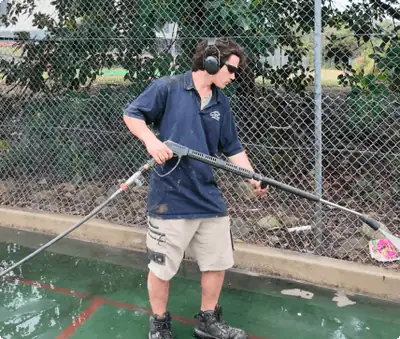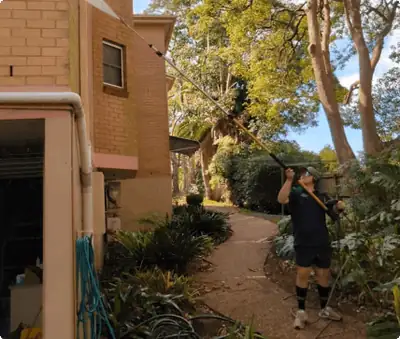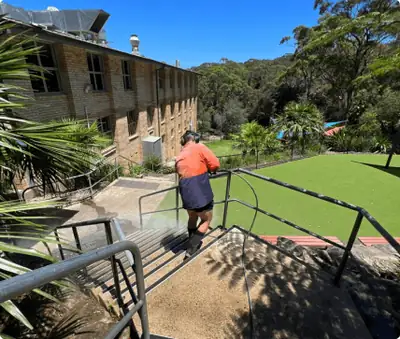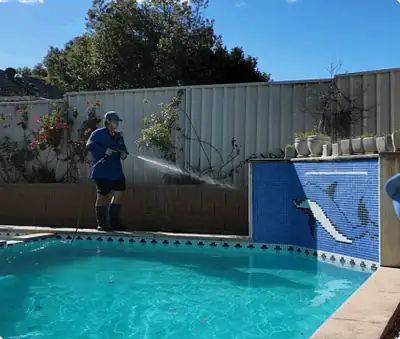

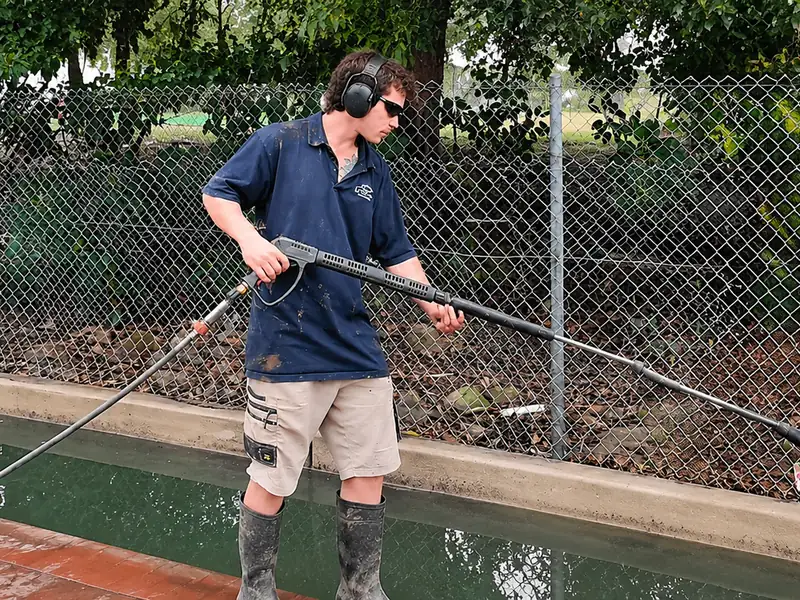
Watch a pressure cleaner at work on a driveway and follow the water. On a lot of jobs it runs down the driveway, into the gutter and straight into the stormwater drain. From there it goes, untreated, into the nearest creek, lagoon, beach or harbour.
That water isn't just water. It carries dirt, leaf matter, mould, oil and grease from driveways, flakes of old paint and sealer, and whatever detergents were used. In NSW, putting it into the stormwater system can be an offence, and the person responsible can include the property owner as well as the contractor.
This article explains the basics in plain language, what good practice looks like, and the questions to ask any cleaner before they start on your property. It's general information, not legal advice.
Why stormwater is different from the sewer
Sydney has two separate drainage systems. The sewer takes water from inside your house, such as toilets, showers and the kitchen sink, to a treatment plant. The stormwater system takes rain from roofs, roads and gutters, and in most places it isn't treated at all. It flows straight to the nearest waterway.
On the Northern Beaches, that often means a beach, Narrabeen or Dee Why lagoon, or Pittwater. In the Eastern Suburbs it's the harbour or the ocean. On the North Shore it's the creeks that feed Middle Harbour and the Lane Cove River.
What the rules say, in plain terms
In NSW, the main law is the Protection of the Environment Operations Act 1997. Among other things, it makes it an offence to pollute waters, and stormwater drains count because they lead to waters. Councils and the NSW Environment Protection Authority can issue penalty notices, and more serious cases can go to court.
Councils across Sydney publish guidance for mobile cleaners, car washers and similar businesses. The common message is simple: only clean rainwater should go down the stormwater drain. Wash water with dirt, oil, detergent or paint in it should not.
Rules and penalties change and councils differ in how they apply them. Check your council's current guidance or the NSW EPA website for the latest position.
What can and can't go where
| What's in the water | Stormwater drain | Garden or lawn | Sewer |
|---|---|---|---|
| Plain water rinsing dust off glass or walls | Avoid where possible | Usually fine | Not needed |
| Dirt, sand and leaf matter | No | Usually fine in small amounts | Only with approval |
| Detergents and cleaning solutions | No | Only products and dilutions safe for plants | Only with approval |
| Oil and grease from driveways | No | No | Only with approval and pre-treatment |
| Paint flakes, old sealer, chemical strippers | No | No | Collect and dispose of properly |
Putting commercial wash water into the sewer generally needs approval from Sydney Water, so most mobile cleaners rely on containing water on site, directing it to grass or garden beds where that's appropriate, or collecting it for proper disposal.
What good practice looks like on a home
- Sweep and collect loose debris before any water goes on.
- Block or cover nearby stormwater pits and grates with drain covers or mats.
- Direct wash water to lawns or garden beds when it only contains dirt and garden-safe products.
- Use a vacuum recovery system or bunding to collect water from oily driveways and areas next to drains.
- Use cleaning products suited to the surface at the right dilution, not more chemical than needed.
- Clean up paint flakes and old sealer by hand rather than washing them into the gutter.
- Take extra care on waterfront lots, where there's no drain between the paving and the water.
Why it matters more on the coast
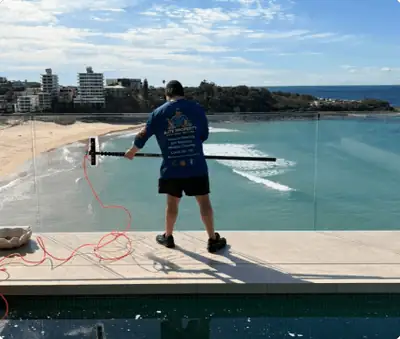
On a leafy block far from the water, a bit of dirty water on the lawn does little harm. On a waterfront lot at Clontarf or Point Piper, or a beachfront home in Manly, wash water can reach the water within metres. Lagoons on the Northern Beaches are shallow and slow to flush, so pollution sits there. That's why we treat wash water control as part of the job, not an optional extra.
Specific situations to watch
Oil stains on driveways
Oil stain treatments release oil from the concrete, which is the point, but it then has to go somewhere. Washing it into the gutter puts oil straight into the drain. The right approach is to treat the stain, absorb or collect what comes out, and keep that area's wash water out of the stormwater system.
Roof cleaning
A roof treatment isn't rinsed off. It runs off slowly with the rain through gutters and downpipes, which on most homes connect straight to the stormwater system. A careful roof treatment uses the minimum product needed, can involve temporarily diverting downpipes, and considers where the downpipes discharge. If you have a rainwater tank, disconnect the inlet before the clean so cleaning solution doesn't end up in your tank.
Paint and sealer removal
Stripping old paint or sealer creates flakes and residue that should never go down a drain. These jobs need the waste collected and disposed of properly. If someone plans to strip a surface with a pressure washer and let it wash away, stop the job.
Pools and ponds
Cleaning around pools risks putting dirt and product into the pool water. Good practice is to protect the pool, direct water away from it, and choose products that are safe to rinse near pools.
Common mistakes we see
- Washing a driveway straight down into the street gutter with no drain cover.
- Using far more detergent than needed, so foam runs into the drain.
- Hosing paint flakes and old sealer into garden beds and gutters.
- Cleaning oily garage floors and letting the water run out the door.
- Forgetting about the downpipes when cleaning a roof.
- Working on a windy day so spray and runoff end up on the neighbour's property.
Ways to protect a drain
| Method | What it does | When to use it |
|---|---|---|
| Drain cover or mat | Seals a grate so water can't enter | Any work near a stormwater pit |
| Bunding or booms | Holds water in a contained area | Driveways and courtyards draining to the street |
| Vacuum recovery | Sucks up wash water for disposal | Oily surfaces and areas with no garden nearby |
| Diverting to lawn or garden | Lets soil filter clean wash water | Water with only dirt and garden-safe product |
| Sweeping and dry collection | Removes solids before washing | Every job |
Strata buildings and shared driveways
On strata properties the stakes are higher, because the areas being cleaned are bigger and the drains are often shared. Car park ramps, communal driveways and bin areas collect oil and food waste. Strata managers should ask the same questions as homeowners, plus one more: who will be on site to make sure residents' cars and doorways aren't sprayed? Bin rooms and car parks usually need water collected rather than diverted, because there's no garden to send it to.
Your neighbours and the street
Wash water and spray that land on the neighbour's car, wall or garden cause more complaints than anything else in this industry. Before the job starts, check where the water and the spray will go. Close neighbours on tight Eastern Suburbs streets and steep Northern Beaches blocks make this more important, not less. A good cleaner will shield, adjust the angle of work, or reschedule if the wind is wrong.
Questions to ask a cleaner before they start
- Where will the wash water go on my property?
- Will you cover the stormwater drains?
- How will you deal with oil stains near the gutter?
- What products are you using, and are they safe for my garden and pool?
- Do you collect water on waterfront or high-risk areas?
- Are you insured if something goes wrong?
A cleaner who can't answer these clearly is a risk to your garden, your neighbours and the local waterway, and possibly to you.
What about soft wash chemicals?
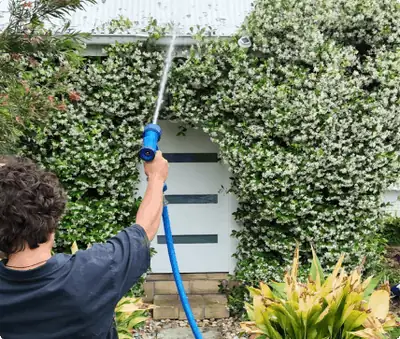
Soft washing uses a cleaning solution to kill mould and algae, so it's fair to ask where that solution ends up. At the dilutions used on walls, the solution is rinsed off with plenty of water and most of it goes to garden beds and lawn below the wall. Plants are pre-wet so they absorb less, and rinsed again afterwards. The solution should never be allowed to run into a drain in concentrated form, and it shouldn't be used near ponds, fishponds or the water's edge without extra containment.
If you have a vegetable garden against a wall, or plants you're especially worried about, tell your cleaner before they start. Covering them for the duration of the wash is simple.
A checklist for the day of the clean
- Point out the stormwater pits on your property, including any you know about under mulch or pavers.
- Move cars off the driveway and out of the spray zone.
- Disconnect rainwater tank inlets if the roof is being cleaned.
- Tell the cleaner about ponds, vegetable gardens and any plants you want covered.
- Let close neighbours know the job is happening, especially if spray could reach their side.
- Watch the first few minutes and check where the water is going.
How we handle wash water
Before we start, we look at where water will run. Drains near the work area are covered. Where water only carries dirt and garden-safe products, we direct it to lawn and garden beds. On oily driveways, areas near drains and waterfront terraces, we contain and collect it. Paint flakes and old sealer are swept up, not washed away. If a job can't be done without risking the water, we change the method or tell you before we start.
The bottom line for homeowners
You don't need to become an expert in environmental law. You do need to make sure whoever cleans your property has a plan for the water. Ask before they start, watch the first few minutes, and if water is pouring into the drain, stop the job and ask why.